ශ්රී ලංකා තානාපති කාර්යාලය, වොෂින්ටන් ඩී.සී., ඇමරිකා එක්සත් ජනපදය
இலங்கைத் தூதரகம், வொஷிங்டன் டி.சி, ஐக்கிய அமெரிக்கா
Embassy of Sri Lanka, Washington D.C.,United States
Sri Lanka - United States Bilateral Relations
The Beginnings:
Prior to the formal establishment of diplomatic relations in 1948, the United States and Sri Lanka were connected through over two centuries of human interactions. At the time when the United States adopted its Constitution, American sailors, predominantly from New England, had already anchored in Ceylonese harbors, such as Galle. Scholarly sources trace American commercial contact with Sri Lanka (Ceylon) back to 1787. These American merchant sailors entered the Indian Ocean via expanding global trade networks, linking ports of Ceylon with those in Southeast Asia, East Africa, and the Middle East, thereby integrating U.S. commercial interests into the region. Their activities were further influenced by the growth of shipping, whaling, trade, missionary endeavors and diplomatic engagements by the United States.
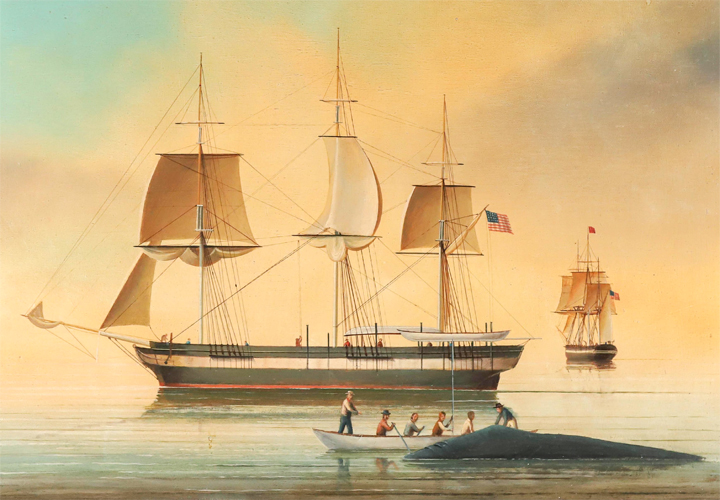
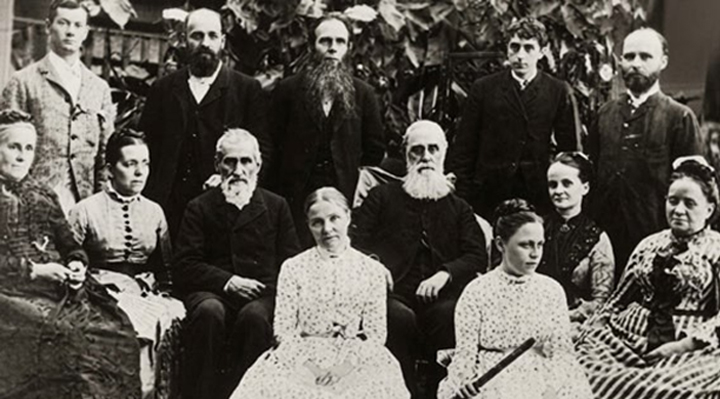
The second group of notable Americans who came to Ceylon were the missionaries. The American Board of Commissioners for Foreign Missions (ABCFM) expanded its missionary activities to India, leading its members to arrive in Sri Lanka in 1816. They initiated missionary work in Jaffna, marking the beginning of significant educational and social contributions to the region. Their efforts aimed to propagate Protestant Christianity through schools, printing presses, medical initiatives and vernacular-language education. These activities extended beyond evangelization, contributing to the development of new educational institutions and print networks and introducing American religious ideas to established Buddhist, Hindu, and Catholic communities.
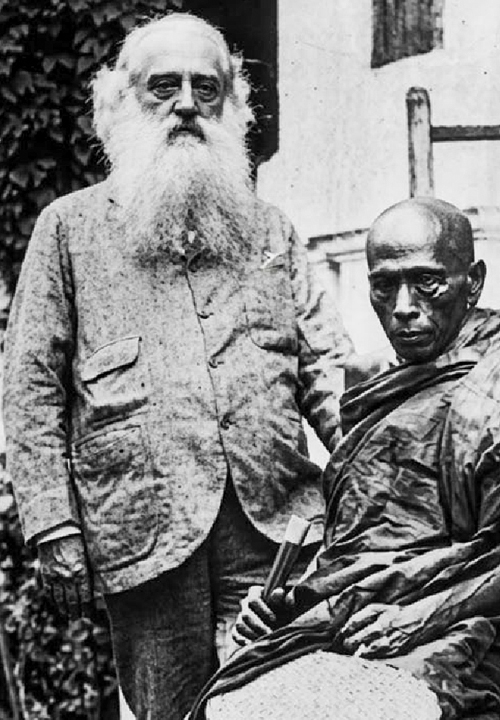
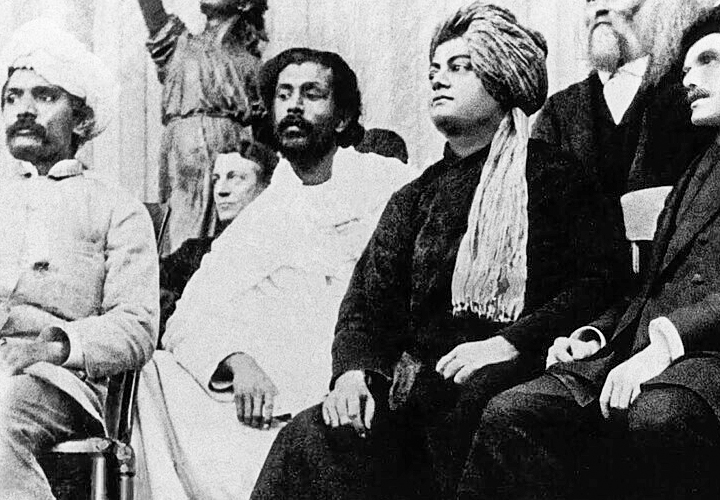
During the period when the ABCFM was involved in social activities in northern Sri Lanka, a separate group of Americans concentrated their social efforts in the south, especially on the revival of Buddhism. This initiative was led by an American, Colonel Henry Steel Olcott, co-founder of the US Theosophical Society. His arrival on May 17, 1880, signified a significant transnational religious and intellectual exchange in the late 19th century. Collaborating with Buddhist leaders, Colonel Olcott aimed to enhance the institutional organization of Buddhists by promoting the publication and dissemination of Buddhist literature, advocating for increased recognition of Buddhist religious and cultural practices and supporting Buddhist education by establishing and supporting Buddhist schools. Additionally, Colonel Olcott also facilitated the development of networks linking Buddhist communities in Ceylon with international Theosophical circles. His efforts were instrumental in a broader cultural revival that reinforced Buddhist identity and restored cultural confidence across the island. Colonel Olcott's religious commitment and vigorous dedication to a Buddhist renaissance inspired dedicated national reformers, such as Anagarika Dharmapāla, who became an unparalleled missionary for Buddhism, worldwide.
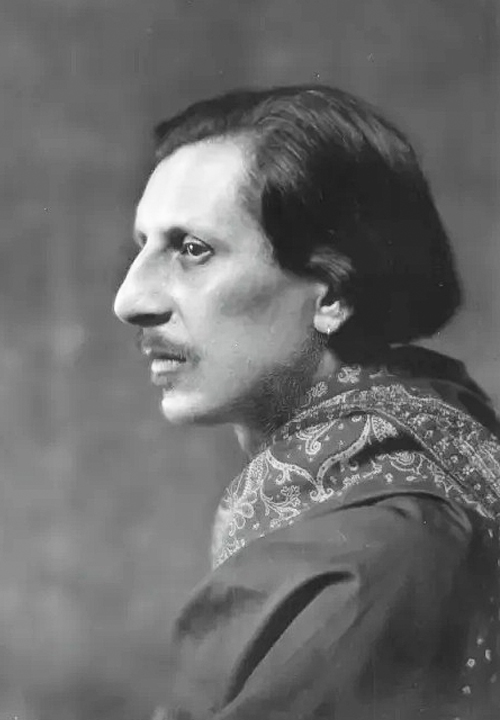
On the other way around, Dr. Ananda Coomaraswamy, a distinguished Ceylonese scholar, made significant contributions to the contemporary intellectual landscape in the United States. After relocating from Ceylon to the United States, he emerged as one of the foremost Oriental scholars globally. In 1917, he assumed the role of Curator at the Boston Museum of Fine Arts. Dr. Coomaraswamy's scholarly endeavors extended beyond merely interpreting Ceylon and Asia for Western audiences, he actively fostered a deeper understanding between these cultures. As a curator, he played a pivotal role in cultivating American appreciation for Eastern art and philosophy. Dr. Coomaraswamy authored over 500 works, and his wife, Doña Luisa Runstein, remarked on his extraordinary contributions to art history, aesthetic theory, social criticism, comparative religion, symbolism, and metaphysics, highlighting his unparalleled intellectual prowess.
The American influence in Ceylon, exemplified by the ABCFM and Henry Steel Olcott and the Theosophical movement's involvement in the religious-social revival, stimulated Ceylonese. Dharmapāla subsequently introduced Ceylonese Buddhism to America, while Coomaraswamy later integrated Ceylonese and Indian artistic and philosophical traditions into American museums and universities, influencing Americans, marking a significant and remarkable cultural exchange.
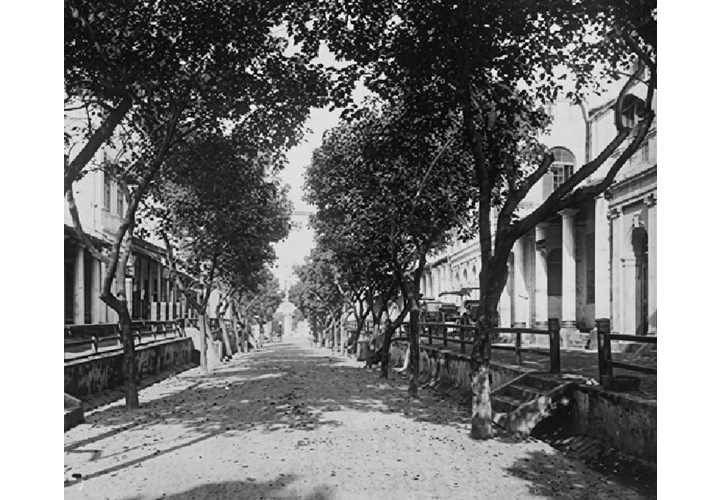
On the aspect of trade, the historical trade relations between the two nations were further consolidated by the establishment of a formal American commercial agency in Galle during the 1850s, which catered to the expanding fleet of U.S. merchant vessels. In January 1848, several whaling captains recommended John Black, a Scottish merchant, as a suitable representative of their interests. Consequently, he was appointed the first U.S. Commercial Agent in Galle in
- His duties included protecting American citizens, facilitating American
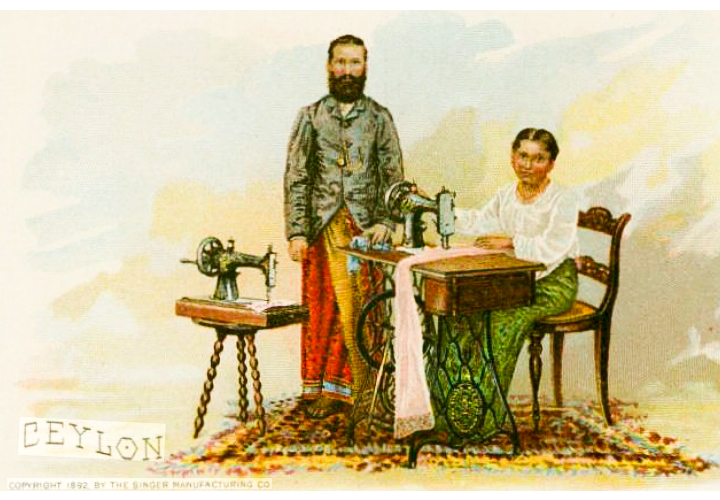
With the expansion of trade relations, prominent American brands were imported into Ceylon, establishing themselves as household names by the early 20th century.
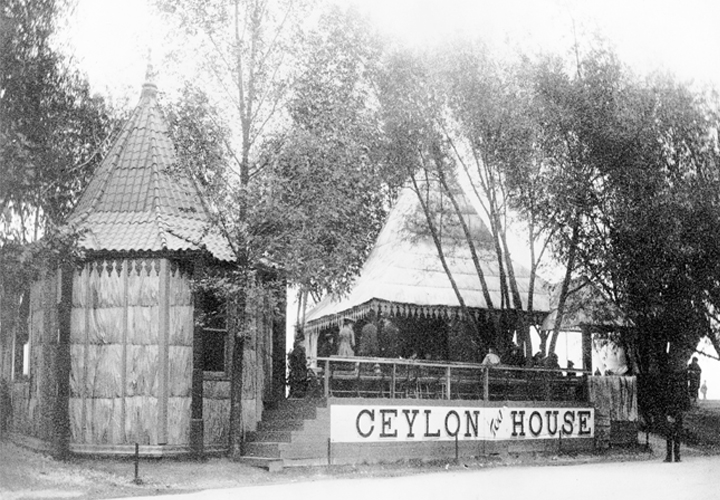
During the late 19th century, Ceylon actively participated in U.S. trade exhibitions. Notably, at the World's Columbian Exposition in Chicago in 1893, Ceylon featured a substantial pavilion designed in a distinctive Ceylonese manner. The exhibits showcased tea, agricultural products, rice, coconuts, handicrafts, carved woodwork, religious objects, and other Ceylonese products. Historical records reveal that Ceylon's pavilion offered tea to visitors, served by Ceylonese attendants, while models illustrated the cultivation processes of tea, rice, and coconuts. This exposition coincided with a pivotal period in Ceylon's economic transition from a coffee-producing colony to a significant tea-producing and exporting economy. John Joseph Grinlinton, a planter, served as Ceylon's special commissioner, with a specific focus on promoting Ceylon tea sales in the United States. He collaborated to organize the event alongside representatives from various regions worldwide.
Establishment of formal diplomatic relations:
The United States officially acknowledged Ceylon as an independent state shortly after its declaration of independence. President Harry S. Truman conveyed this recognition on 3 February 1948. Diplomatic relations were formally established several months later. On 29 October 1948, Ceylon inaugurated its Embassy in Washington, D.C., with Sir Claude Corea appointed as Ceylon's first ambassador to the United States. Subsequently, on 03 August 1949, U.S. Ambassador Felix Cole presented his credentials in Colombo, thereby establishing the American diplomatic presence in Ceylon.
The United States from the outset recognized the strategic significance of Ceylon's location in the Indian Ocean from the outset, given its proximity to major maritime routes linking the Middle East, South Asia, Southeast Asia, and the broader Asia-Pacific region. Ceylon established diplomatic autonomy while maintaining its ties with Britain and the Commonwealth, and concurrently developed relations with the United States and other global powers. From the early 1950s, economic development emerged as a crucial aspect of this relationship.
Contemporary bilateral relations:
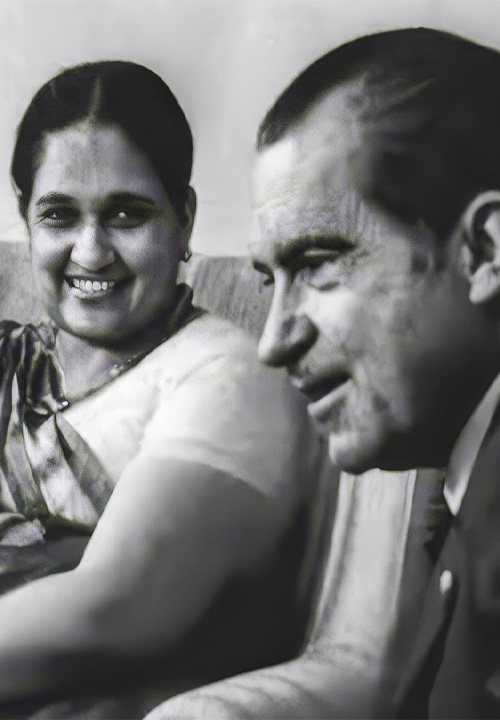
At present, the diplomatic relations between the two countries have evolved into a multidimensional strategic partnership. This transition marks a shift from a primarily development-focused bilateral relationship to one encompassing maritime security, Indo-Pacific geopolitics, trade, technology and democratic governance. The main components of this partnership include maritime security, trade and investment, economic recovery, democracy and governance, technology, and human interactions.
Sri Lanka's strategic location in the Indian Ocean further enhances the geostrategic significance of this relationship, particularly the U.S. interests and cooperation toward a free, open, and prosperous Indo-Pacific.
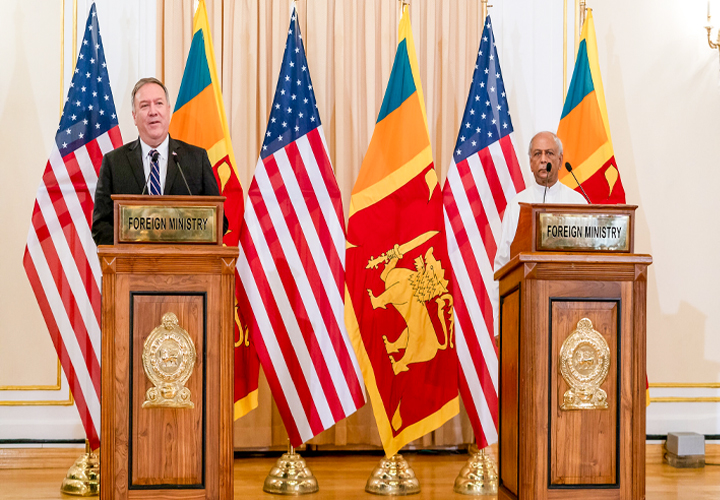
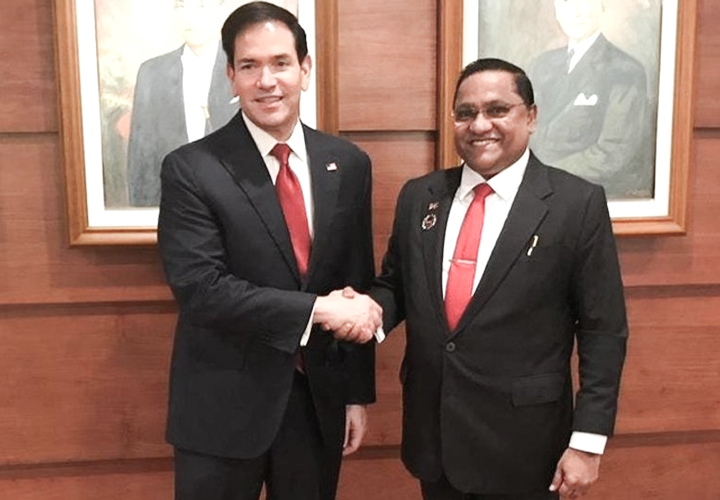
The U.S.–Sri Lanka Partnership Dialogue established in 2016 to discuss and coordinate on a broad range of issues and to strengthen regular diplomatic engagement between the two countries. At this dialogue, issues that are pertinent to both sides, including governance, economic cooperation, development, security, regional affairs are being discussed. The fifth session of this dialogue was held in Washington, D.C., on July 12, 2024. It was co-chaired by U.S. Acting Under Secretary for Political Affairs John Bass and Sri Lankan Foreign Secretary Aruni Wijewardane.
People to people contact:
People-to-people relations between the two countries have evolved through various channels, including education, academic exchanges, cultural programs, professional networks, migration, business, tourism, civil society, and, more recently, youth and leadership initiatives.
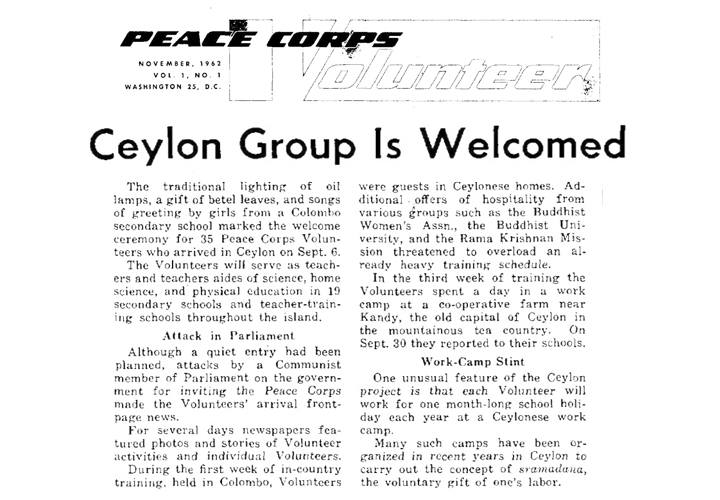
Historically, a significant institutional foundation was established with the creation of the United States–Sri Lanka Fulbright Commission in 1952, initially known as the United States Educational Foundation in Sri Lanka. Educational exchange emerged as one of the earliest institutionalized forms of direct interaction between Americans and Ceylonese/Sri Lankans. This program facilitated opportunities for individuals to reside, study, teach, and conduct research in each other's societies, thereby fostering professional networks across the two countries. Subsequently, the Peace Corps established a more grassroots relationship upon their arrival in Ceylon in June 1962. Peace Corps volunteers typically lived and worked within local communities, with some volunteers residing alongside Sri Lankan communities for extended periods. The Peace Corps program, reintroduced in Sri Lanka in the 2010s, was specifically designed to support English-language education. Currently, several U.S. NGOs are also engaged at the grassroots level, empowering the most vulnerable communities in Sri Lanka.
Another important venue for people-to-people contact is the University corporation, as American universities have increasingly become important sites of Sri Lankan–American interaction. Numerous American students have pursued studies in Sri Lanka, while Sri Lankan students have reciprocated by studying in the United States. Ongoing activities among universities include joint research initiatives, visiting scholars, faculty exchanges, conferences, and university partnerships. The American Institute for Sri Lankan Studies (AISLS) was established in 1995 to advance research and education and facilitate academic exchanges. Since 2001, its Colombo office has been operational, providing significant and direct resources to Sri Lankan academics, university students, and the local community.
Currently, these relations have evolved into cooperation between Sri Lankan think tanks and American institutes on significant issues pertinent to both Sri Lanka and the United States. Another notable recent development is the Young South Asian Leadership Initiative, which the United States has emphasized as a regional leadership training program headquartered in Colombo.
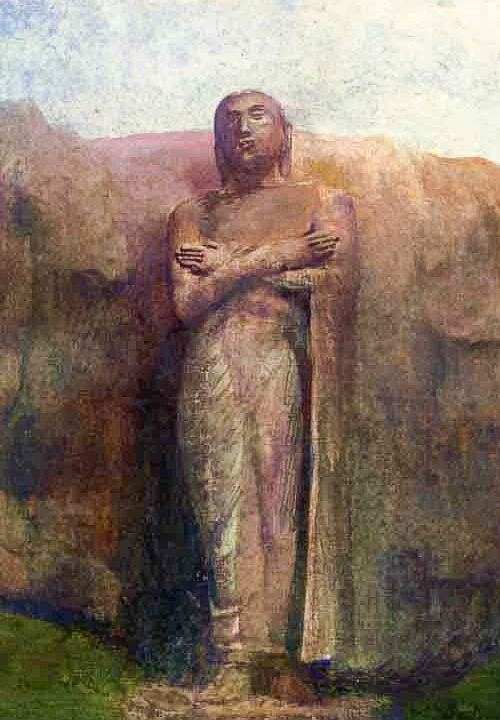
People-to-people relations have also been cultivated through music, literature, film, visual arts, exhibitions, and cultural heritage between the two countries. There were a number of American artists who visited Sri Lanka and captured its scenery. Over time, prominent Sri Lankan artists have performed and exhibited their works in the United States for American audiences.
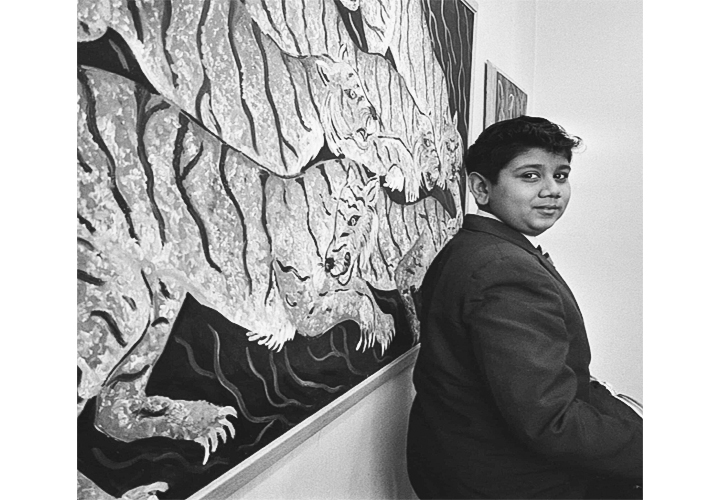
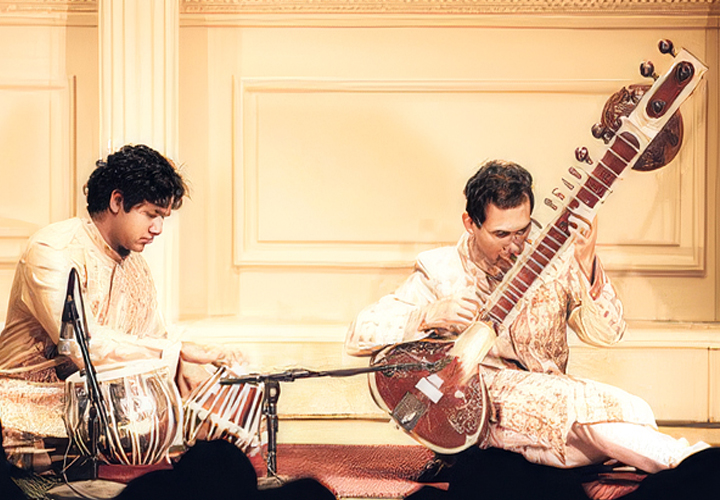
Sri Lanka has also been depicted in numerous Hollywood productions:
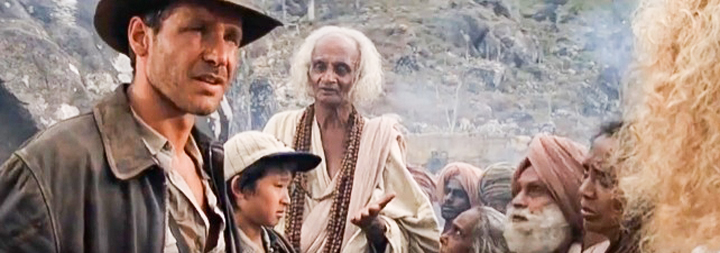
Sri Lanka has become a known destination for American visitors and in 2025 65,973 Americans have visited Sri Lanka.
These people-to-people exchanges have been integrated into the current bilateral U.S.–Sri Lanka Partnership Dialogue. These exchanges have established networks that transcend national boundaries and have promoted mutual understanding and evolved into a form of long-term social capital.